Posts By :

Eva Szalma

Meet the people behind the project

1024 512 Eva Szalma

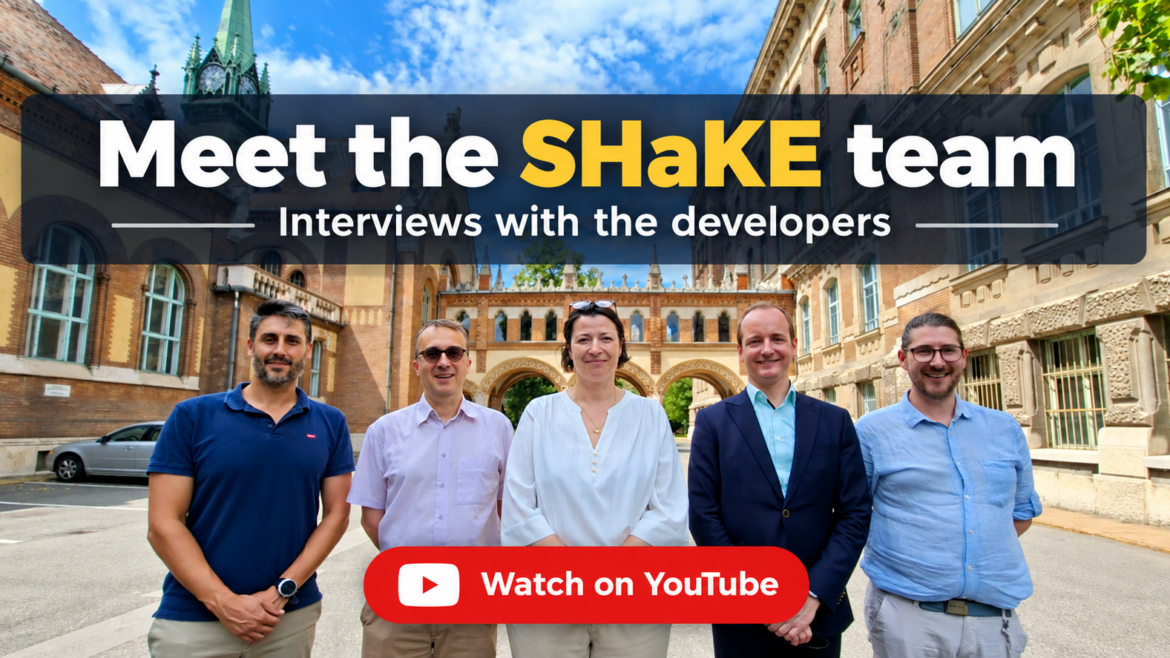
What does it take to bring together expertise in district heating and cooling from different countries and professional backgrounds?

In a series of interviews, SHaKE project partners and experts share their perspectives on the project, international collaboration and the importance of developing accessible educational resources for the energy sector.

The interviews offer a closer look at the people and ideas behind SHaKE and highlight the value of exchanging knowledge between universities and professionals.

Watch the interviews:
Discover the SHaKE Project – Watch Our Promotional Video

1024 576 Eva Szalma

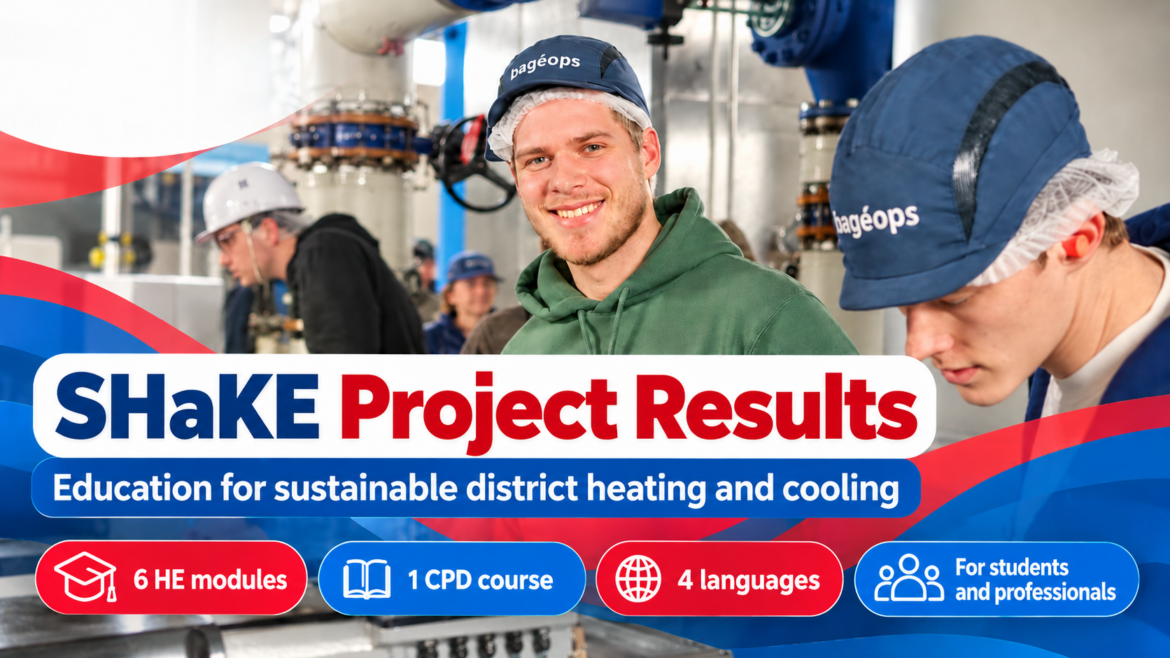
How can education and knowledge sharing support the transition towards more sustainable district heating and cooling systems?

The SHaKE project brings together universities from Hungary, Spain and France to develop open-access educational resources for university students, educators and industry professionals.

Our promotional video introduces the project, its objectives and the learning opportunities developed through this international collaboration.

Explore the project and discover how SHaKE supports the exchange of knowledge on modern district energy systems.

Spanish national workshop in Málaga

1024 683 Eva Szalma

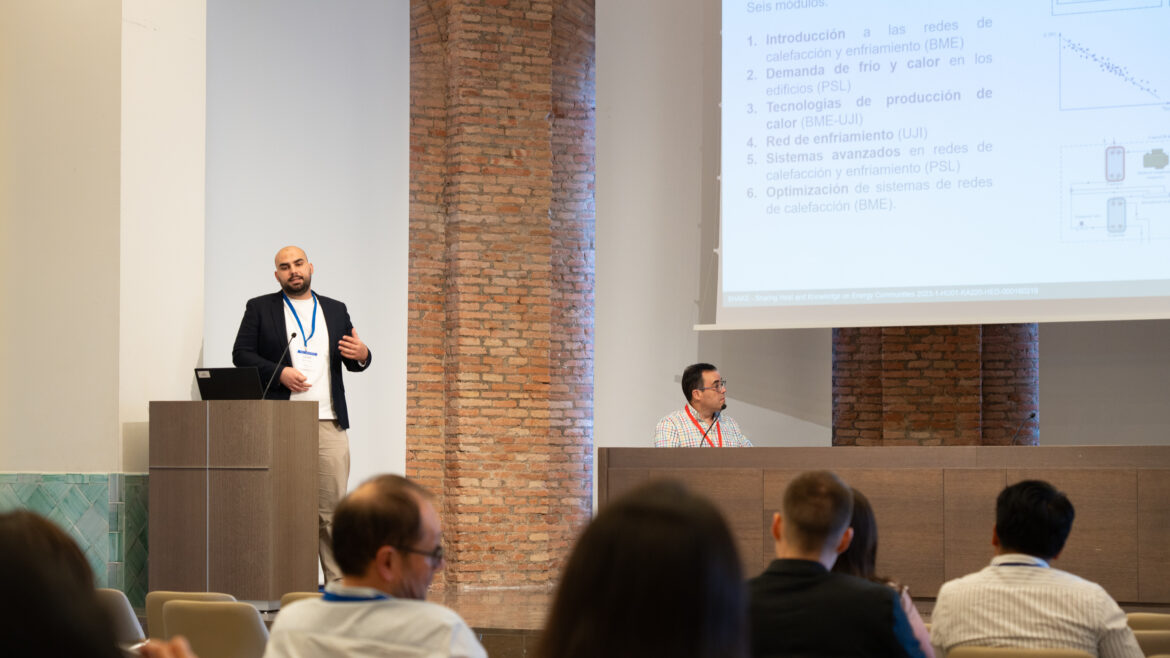
Universitat Jaume I held a SHaKE dissemination workshop in Málaga, Spain, on 24 June 2026, within the CYTEF 2026 conference. The workshop brought together researchers, academics and technical professionals working in refrigeration and energy systems.

Ghad Alarnaot Alarnaout presented SHaKE and its educational resources for district heating and cooling. The workshop reached 53 participants, providing an opportunity to introduce the project’s results to a specialist audience.

International Knowledge Exchange at BME: SHaKE Meets Visiting Academics from Türkiye

1024 577 Eva Szalma

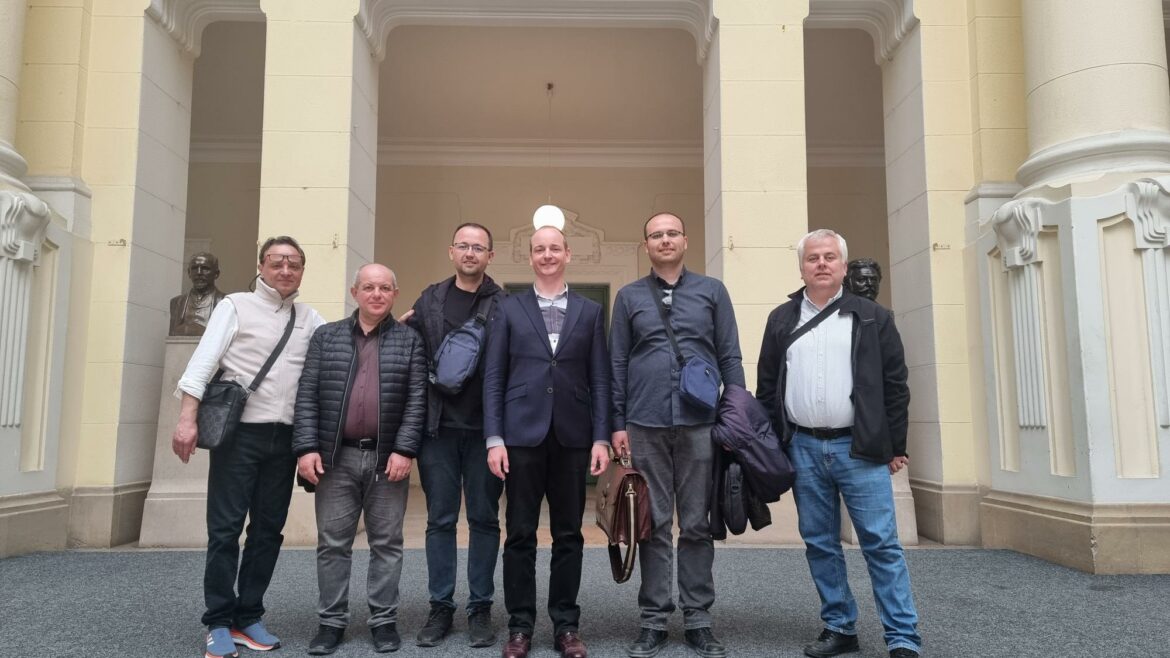
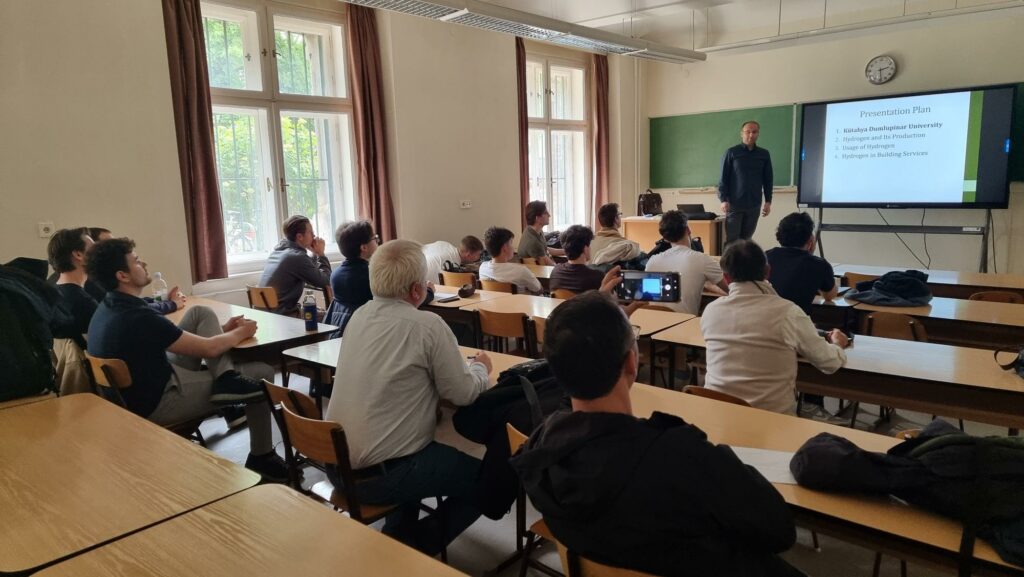
On 28 April 2026, the Budapest University of Technology and Economics (BME) welcomed visiting academics from Kütahya Dumlupınar University, Türkiye, for an academic exchange connected to the Modern District Heating Systems university course.

The visiting lecturers contributed presentations on hydrogen energy in district heating and urban air quality protection, bringing additional international perspectives to the students’ learning experience.

During the visit, Dr Balázs Bokor also introduced the SHaKE – Sharing Heat and Knowledge on Energy Communities project, presenting its educational objectives and learning resources developed through the cooperation of BME, Universitat Jaume I and Mines Paris–PSL.

The exchange provided a valuable opportunity to share knowledge, strengthen international academic connections and promote the use of SHaKE educational materials beyond the project partnership.

Explore the SHaKE learning materials: https://www.shakeproject-dhc.eu/

French workshop for young professionals at Mines Paris–PSL

1024 683 Eva Szalma

Mines Paris–PSL organised a SHaKE dissemination workshop session for young professionals in Paris on 23 March 2026. The 17 participants represented energy suppliers, engineering and construction companies, research organisations and major energy users. Pascal Stabat presented the project’s objectives and the learning modules. The session included questions and discussion on the educational resources and their relevance to professional practice.

Learning, Collaboration and Energy Insights at BME

1024 768 Eva Szalma

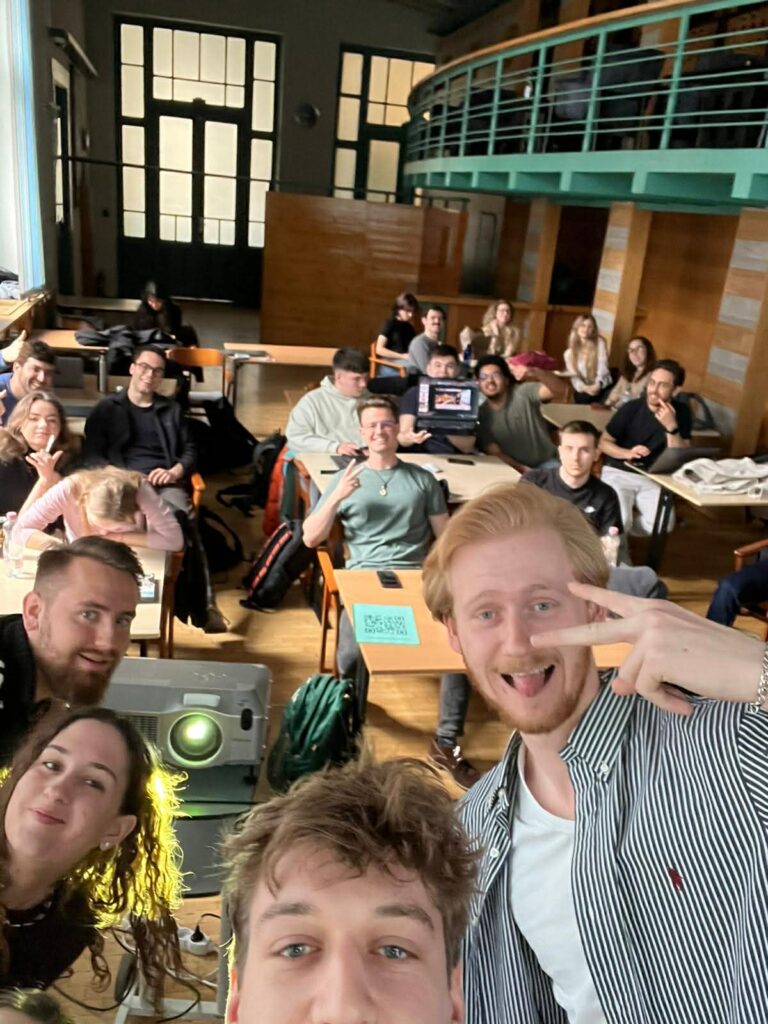
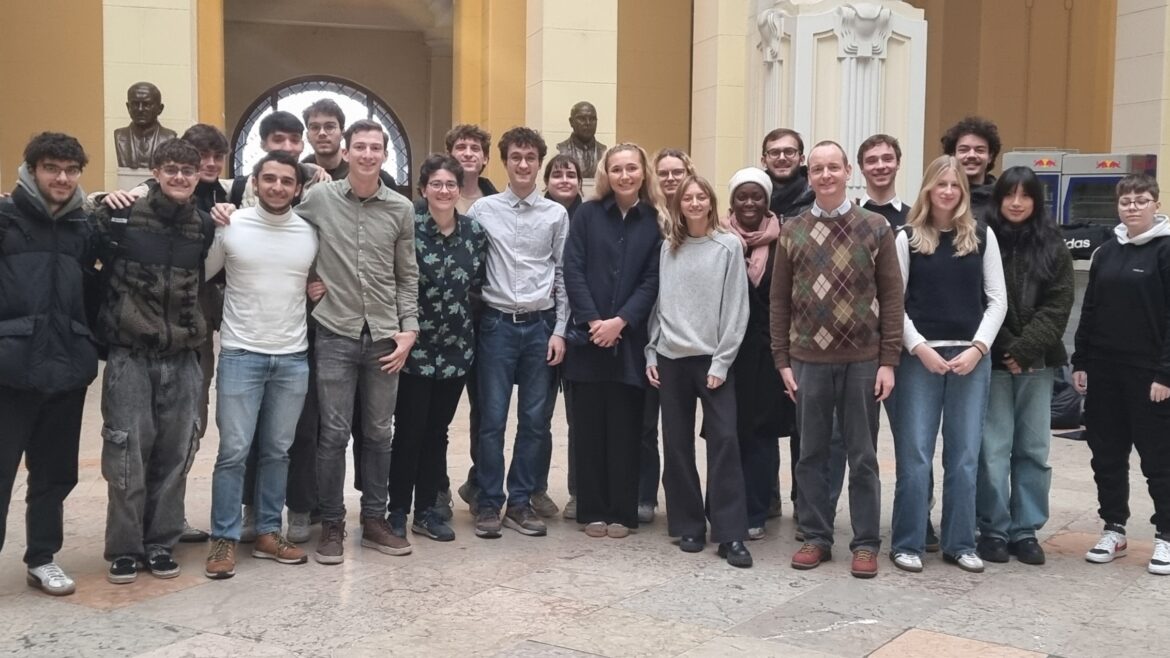
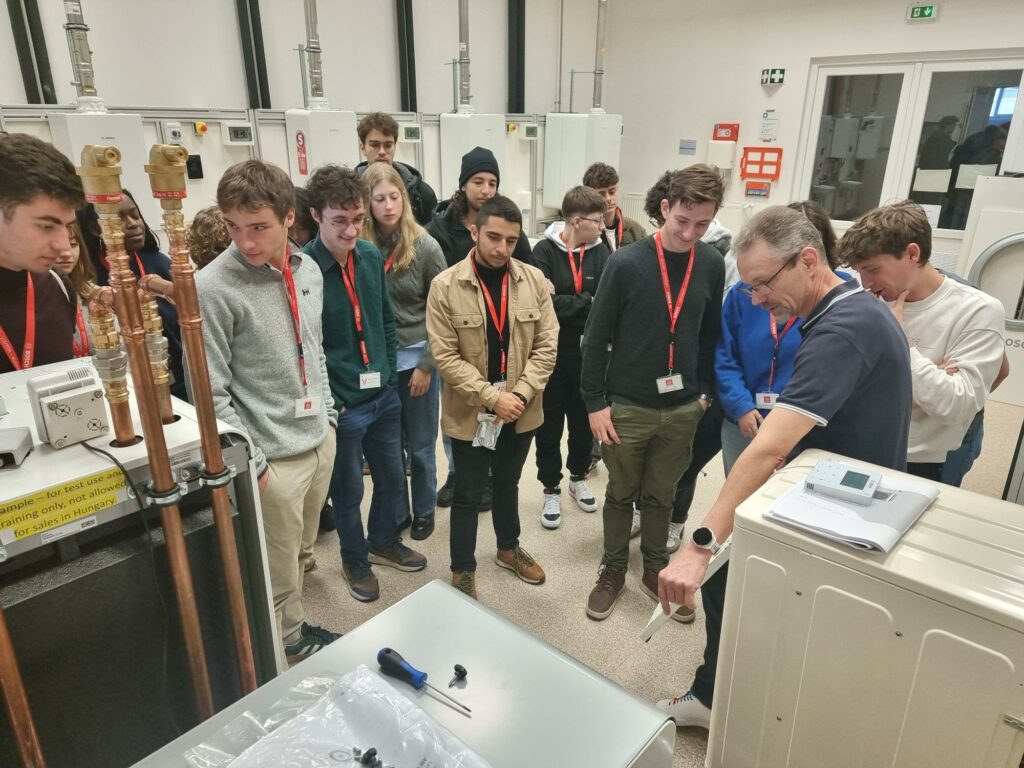
In March 2026, the Budapest University of Technology and Economics (BME) hosted an international learning experience as part of the SHaKE project, bringing together students from across Europe for a week of intensive work on energy systems, collaboration and shared discovery.The course, Efficient Energy Supply of Buildings, was organised within the ATHENS and EELISA networks and combined lectures, teamwork and intercultural activities into a compact but rich programme.

Learning by doing

At the heart of the week was project-based collaboration. Students worked in international teams on real-life inspired engineering challenges, exploring how different energy sources can be combined in building systems.

This hands-on approach proved to be one of the most engaging elements of the programme. Instead of only listening to lectures, participants had the opportunity to think and work like engineers—discussing ideas, making decisions and learning from each other along the way.

Alongside the project work, the academic programme covered key topics such as district heating, energy markets and emerging trends in the field, including the role of artificial intelligence in energy systems. The combination of theoretical input and practical application created a balanced and accessible learning experience for participants coming from different academic backgrounds.

An international experience

Beyond the classroom, the programme offered something equally important: the chance to connect.

Students met peers from different countries, shared perspectives and built relationships in an open and supportive environment. Social activities, informal moments and simply spending time together played a key role in shaping the overall experience.

For many, this intercultural dimension became just as valuable as the academic content. The atmosphere of the group, the willingness to collaborate and the sense of inclusion all contributed to a week that went beyond a traditional course.

What made the experience stand out

What clearly emerged from the experience is the value of combining different elements in a thoughtful way. Strong academic content, meaningful project work and a well-balanced social programme created a setting where learning felt both relevant and enjoyable.

Participants particularly appreciated the opportunity to engage with real-world topics, work in teams and experience a different educational environment. At the same time, the programme highlighted the importance of interactive teaching and active participation, reinforcing the idea that learning is most effective when students are actively involved.

Looking ahead

Experiences like this play an important role in the SHaKE project by testing and refining new approaches to teaching and learning in the field of sustainable energy systems. They also demonstrate how international collaboration can enhance both academic and personal development.

The week at BME showed that when students are given the space to collaborate, explore and engage, learning becomes not only more effective, but also more meaningful.

Blended Mobility Week in Paris

1024 681 Eva Szalma

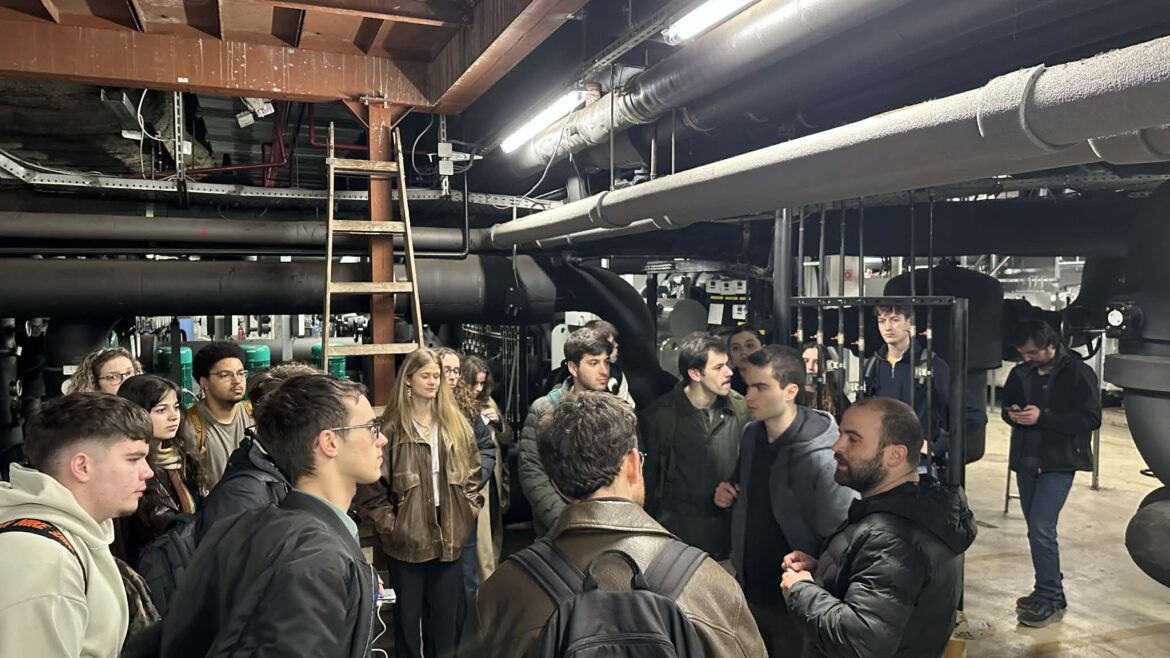
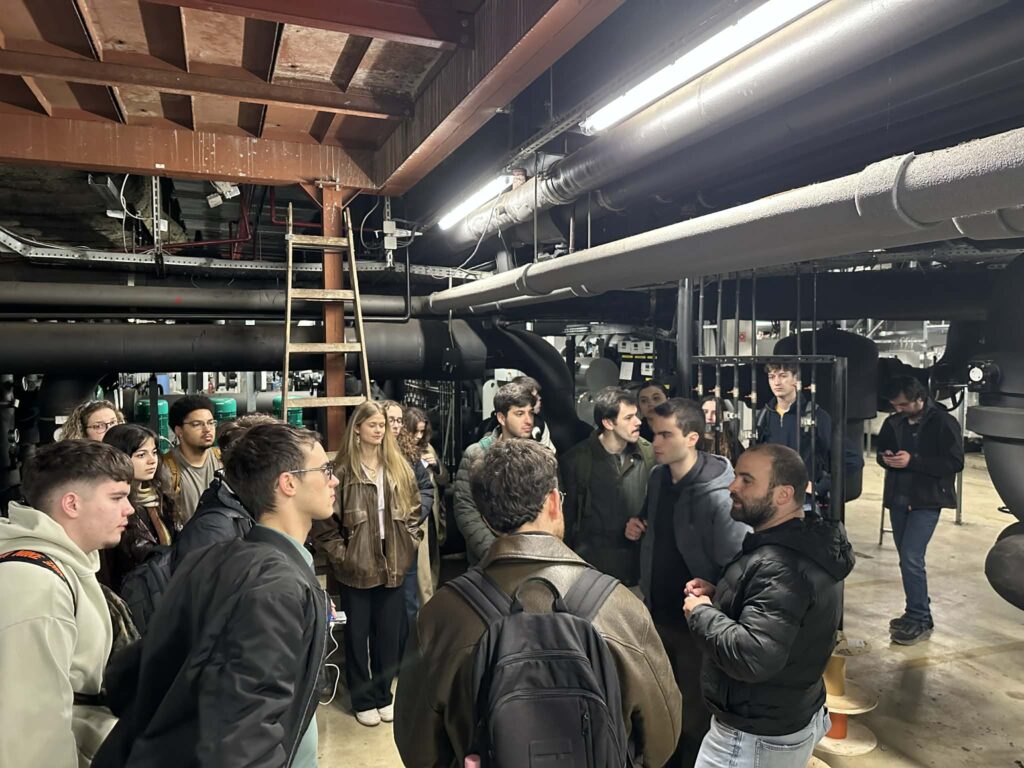
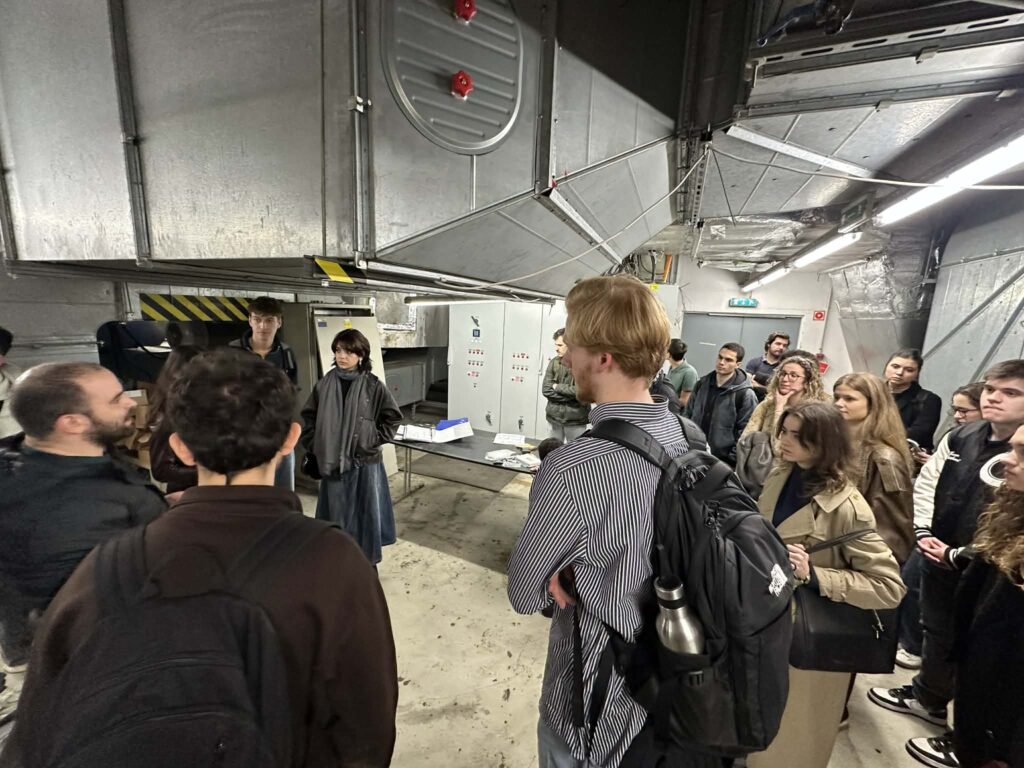
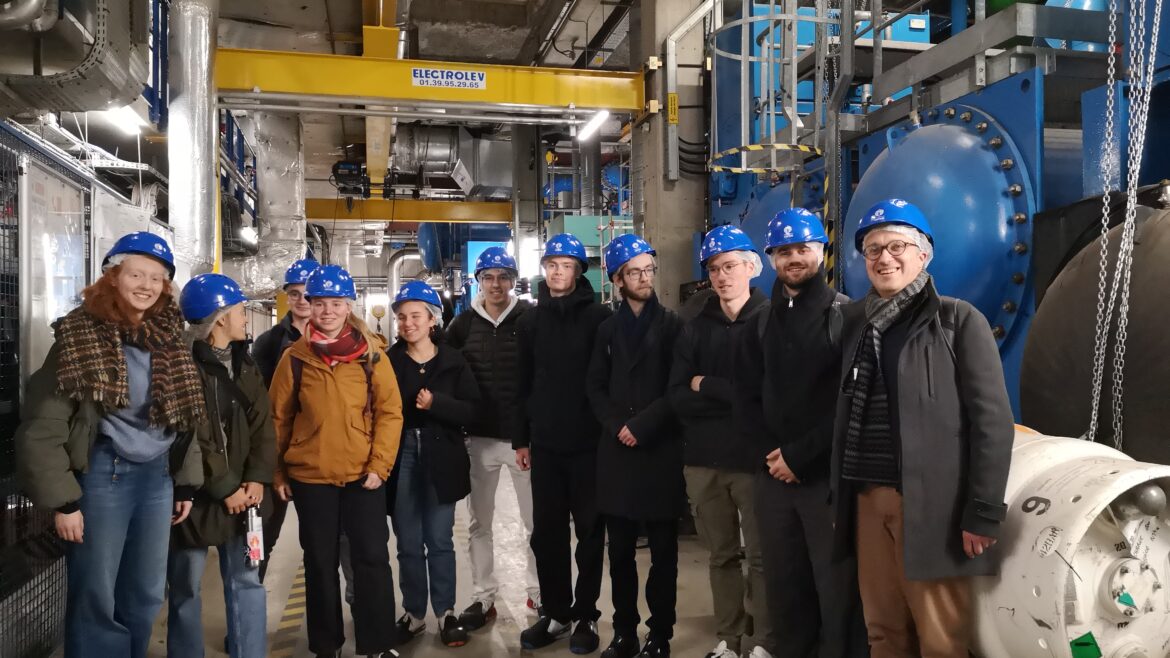
From 2 to 6 March 2026, SHaKE students and teachers from BME, Mines Paris – PSL and Universitat Jaume I met in Paris for an intensive Blended Mobility Week on District Heating and Cooling for Energy Transition. Hosted by Mines Paris – PSL, the programme combined lectures, international team project work, a technical visit to the Bagneux district heating and cooling network, and social activities supporting professional and intercultural exchange.

Read more about the programme, participants and outcomes of the SHaKE Blended Mobility Week here.

Teaching, Teamwork and Practice: ATHENS–EELISA Study Week on Efficient Energy Supply of Buildings, November 2025

1024 482 Eva Szalma

The ATHENS–EELISA joint course Efficient Energy Supply of Buildings, held 17–21 November 2025 at the Budapest University of Technology and Economics, offered participants an intensive international learning experience that combined academic content, practical insights, and cultural exploration. Student feedback indicates that the programme successfully created a supportive and engaging learning environment, enabling participants to deepen their technical knowledge while also developing language skills and international connections.

Participants particularly appreciated the interactive and experiential components of the course. The teamwork project, dance classes, site visits—most notably the Westend shopping centre visit—and informal social activities were consistently highlighted as the most engaging elements. These activities were seen as effective in linking theoretical concepts to real-world applications, while also fostering collaboration and intercultural exchange.

The teaching staff received very positive feedback, with students frequently emphasising the instructors’ enthusiasm, friendliness, and approachability as a key strength of the programme. Participants also valued gaining insight into Hungarian university life, culture, and architecture, and noted that the course offered a well-balanced mix of structured learning and informal experiences, making the intensive study week both educational and enjoyable.

Overall, the feedback confirms that the course held in November 2025 was perceived as well-organised, relevant, and motivating, successfully combining academic quality with international and cultural dimensions. The results underline the value of interactive teaching approaches and provide clear directions for the continued development of future ATHENS–EELISA joint courses.

SHaKE at the Műegyetemi Épületgépész Nap in Budapest

447 447 Eva Szalma

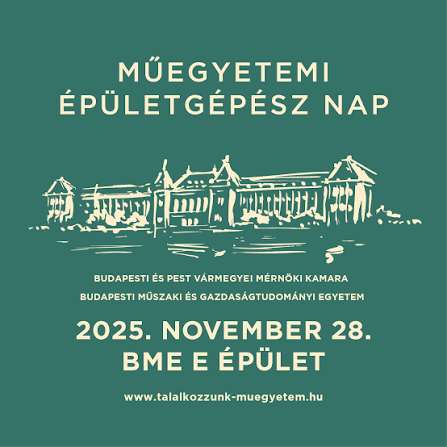
SHaKE results were presented within the Műegyetemi Épületgépész Nap, held at Budapest University of Technology and Economics on 28 November 2025. The professional event explored current trends in building energy systems, including renewable energy, heat pumps and district heating. The Műegyetemi Épületgépész Nap is an annual professional gathering, held for the 30th time in 2025. It brings together experienced building-services designers and contractors with early-career engineers to exchange knowledge and discuss current developments in the field.

Dr Balázs Bokor introduced the SHaKE educational materials and the project’s experience in developing district-heating education.

Exploring the Future of District Heating and Cooling: ATHENS Week in Paris

1024 768 Eva Szalma

Exploring the Future of District Heating and Cooling: ATHENS Week in Paris

From 17 to 21 November 2025, Mines Paris – PSL welcomed students from European universities for the ATHENS intensive course District Heating and Cooling for Energy Transition.

The international study week explored how modern district heating and cooling networks can contribute to a more sustainable and energy-efficient future. Participants examined network design, heating and cooling technologies, system performance and the integration of renewable and recovered energy sources.

Connecting theory with practice

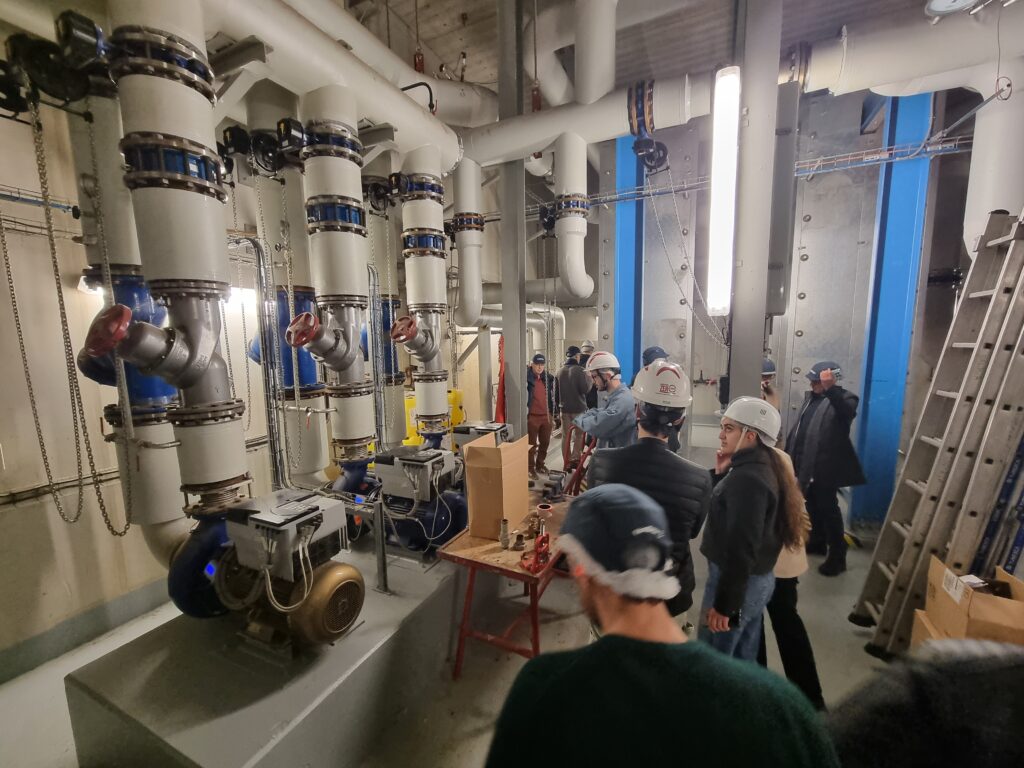
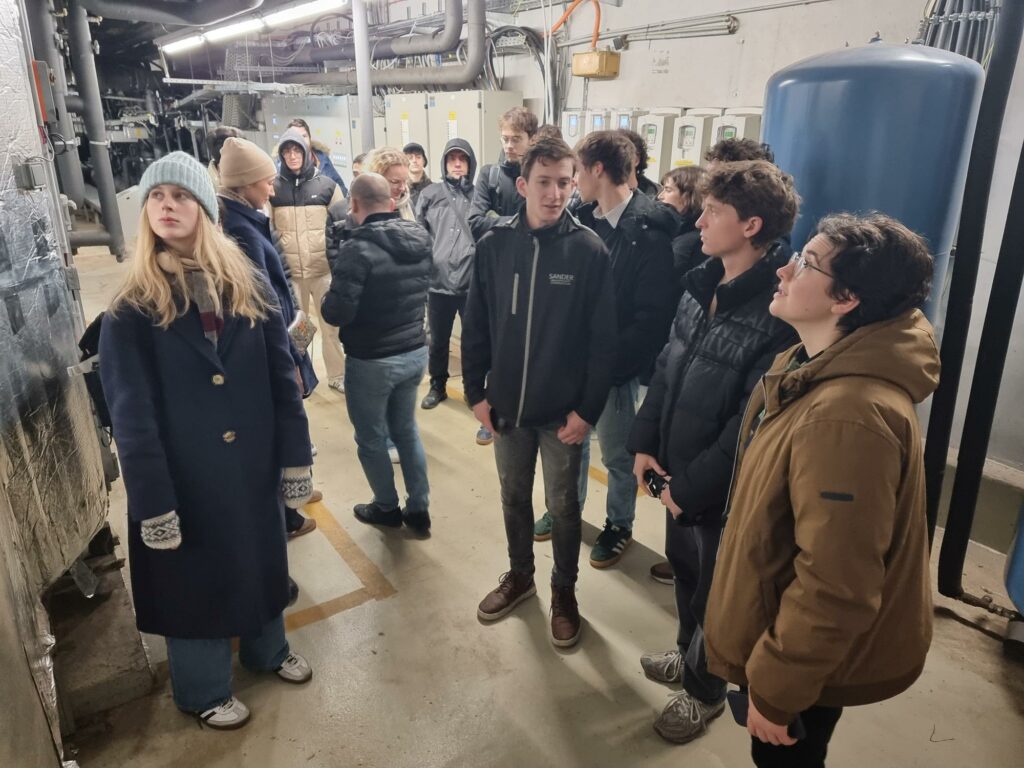
Alongside lectures, students worked on practical engineering challenges, applying their knowledge to the design and assessment of district energy networks. A technical site visit offered the opportunity to see energy infrastructure in operation and connect classroom learning with real-world applications.

Learning through international exchange

The course also brought together students from different academic and cultural backgrounds, encouraging collaboration, discussion and the exchange of ideas.

Participants particularly appreciated the technical visits, the practical relevance of the topics and the opportunity to develop their understanding of district heating and cooling systems.

The study week demonstrated how the educational themes developed through the SHaKE project can support international engineering education and help prepare future professionals for the challenges of the energy transition.

  • 1
  • 2