Blended Intensive Programms

Learning, Collaboration and Energy Insights at BME

1024 768 Eva Szalma

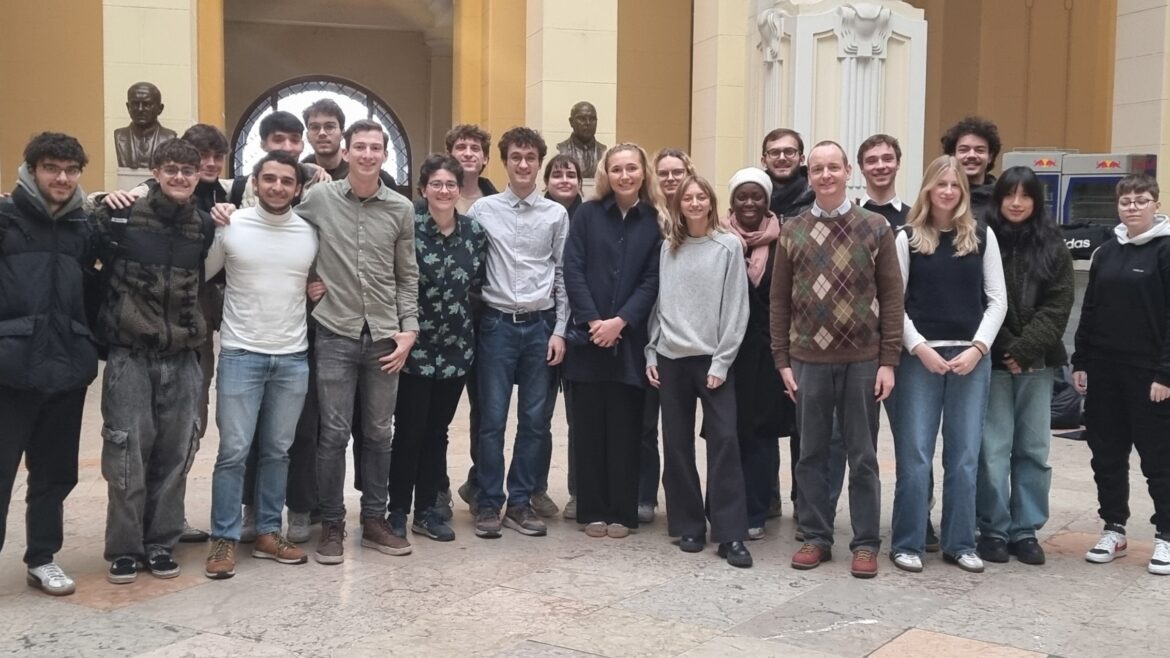
In March 2026, the Budapest University of Technology and Economics (BME) hosted an international learning experience as part of the SHaKE project, bringing together students from across Europe for a week of intensive work on energy systems, collaboration and shared discovery.The course, Efficient Energy Supply of Buildings, was organised within the ATHENS and EELISA networks and combined lectures, teamwork and intercultural activities into a compact but rich programme.
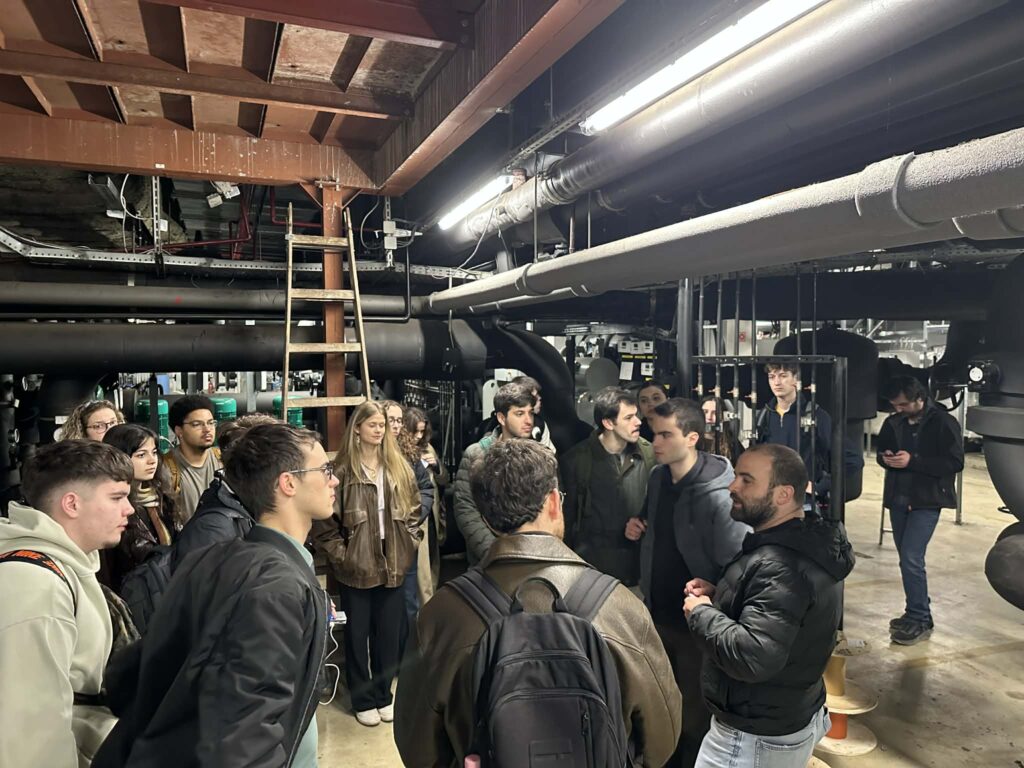
Learning by doing

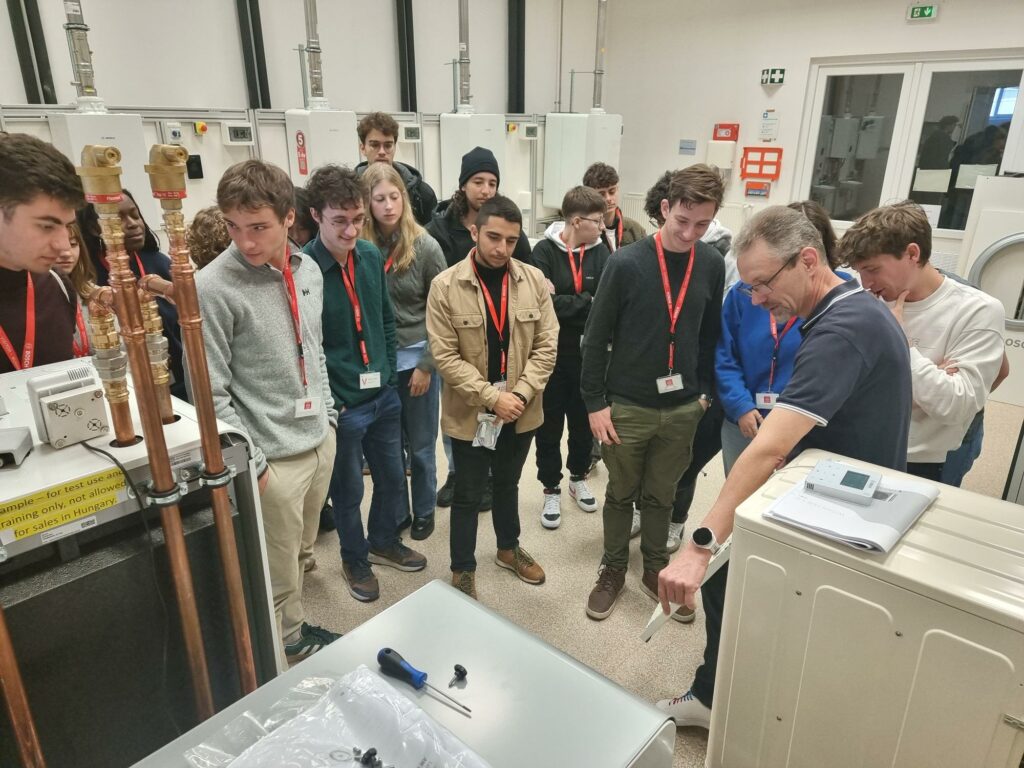
At the heart of the week was project-based collaboration. Students worked in international teams on real-life inspired engineering challenges, exploring how different energy sources can be combined in building systems.

This hands-on approach proved to be one of the most engaging elements of the programme. Instead of only listening to lectures, participants had the opportunity to think and work like engineers—discussing ideas, making decisions and learning from each other along the way.

Alongside the project work, the academic programme covered key topics such as district heating, energy markets and emerging trends in the field, including the role of artificial intelligence in energy systems. The combination of theoretical input and practical application created a balanced and accessible learning experience for participants coming from different academic backgrounds.
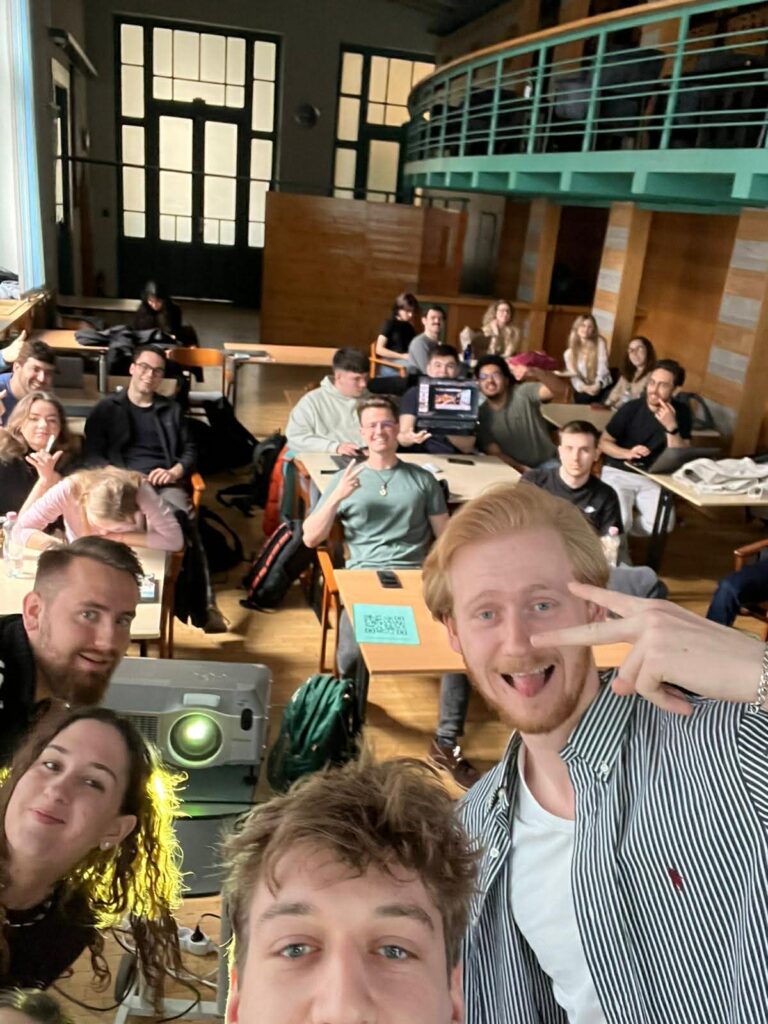
An international experience

Beyond the classroom, the programme offered something equally important: the chance to connect.

Students met peers from different countries, shared perspectives and built relationships in an open and supportive environment. Social activities, informal moments and simply spending time together played a key role in shaping the overall experience.

For many, this intercultural dimension became just as valuable as the academic content. The atmosphere of the group, the willingness to collaborate and the sense of inclusion all contributed to a week that went beyond a traditional course.
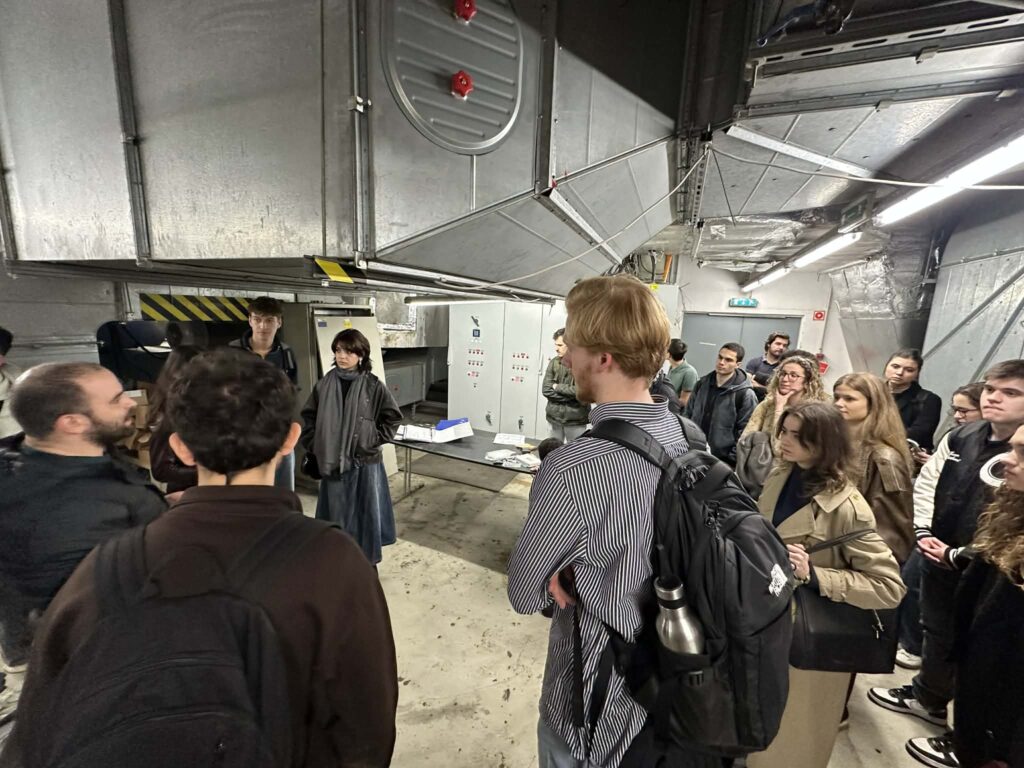
What made the experience stand out

What clearly emerged from the experience is the value of combining different elements in a thoughtful way. Strong academic content, meaningful project work and a well-balanced social programme created a setting where learning felt both relevant and enjoyable.

Participants particularly appreciated the opportunity to engage with real-world topics, work in teams and experience a different educational environment. At the same time, the programme highlighted the importance of interactive teaching and active participation, reinforcing the idea that learning is most effective when students are actively involved.

Looking ahead

Experiences like this play an important role in the SHaKE project by testing and refining new approaches to teaching and learning in the field of sustainable energy systems. They also demonstrate how international collaboration can enhance both academic and personal development.

The week at BME showed that when students are given the space to collaborate, explore and engage, learning becomes not only more effective, but also more meaningful.

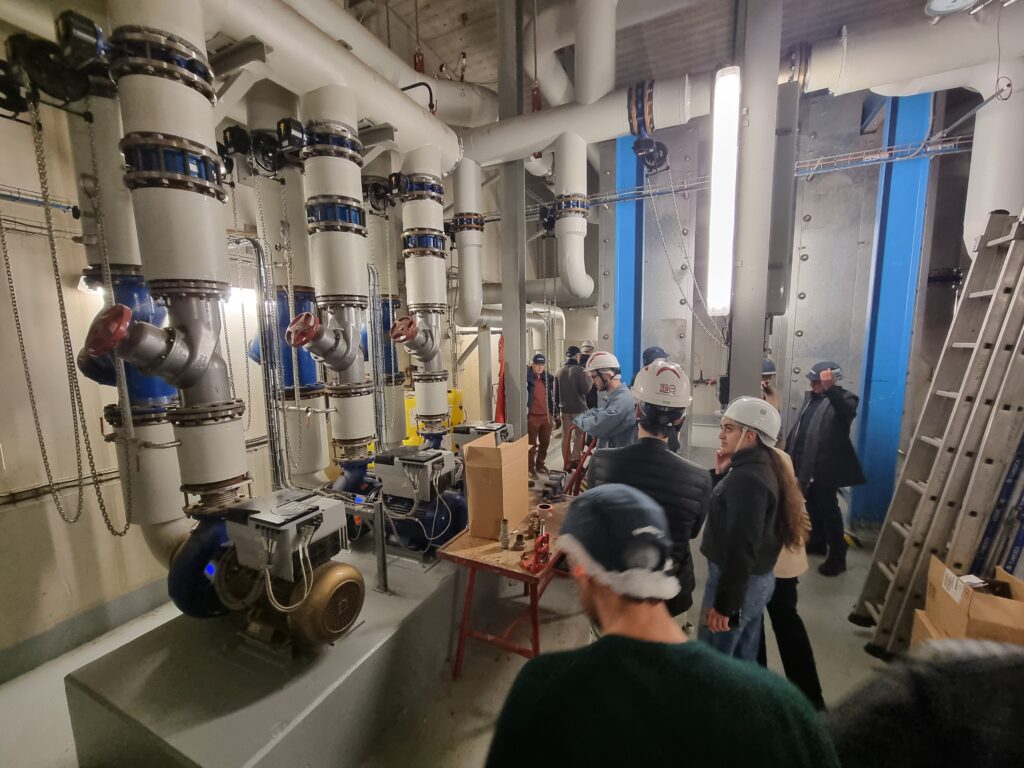
Teaching, Teamwork and Practice: ATHENS–EELISA Study Week on Efficient Energy Supply of Buildings, November 2025

1024 482 Eva Szalma

The ATHENS–EELISA joint course Efficient Energy Supply of Buildings, held 17–21 November 2025 at the Budapest University of Technology and Economics, offered participants an intensive international learning experience that combined academic content, practical insights, and cultural exploration. Student feedback indicates that the programme successfully created a supportive and engaging learning environment, enabling participants to deepen their technical knowledge while also developing language skills and international connections.

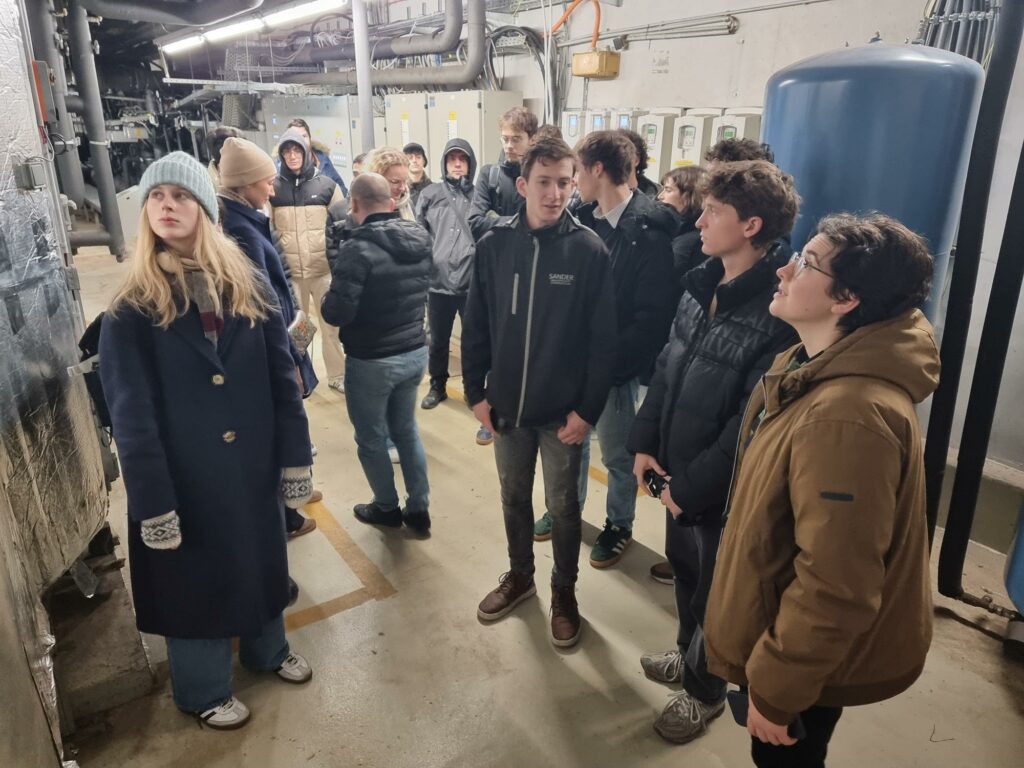
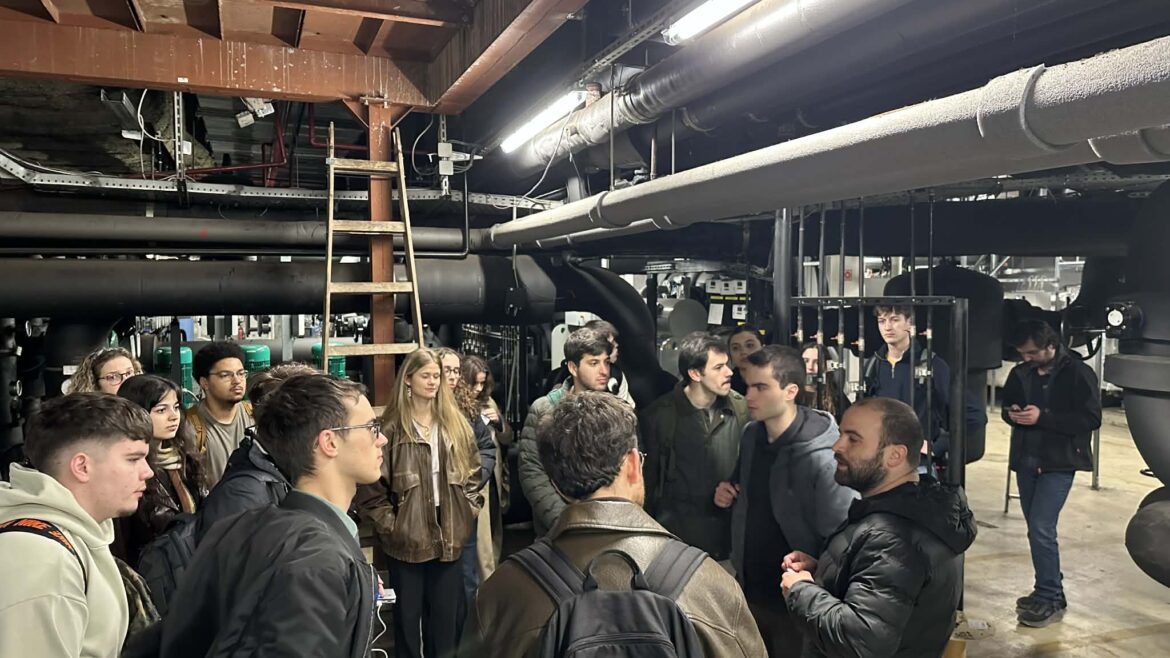
Participants particularly appreciated the interactive and experiential components of the course. The teamwork project, dance classes, site visits—most notably the Westend shopping centre visit—and informal social activities were consistently highlighted as the most engaging elements. These activities were seen as effective in linking theoretical concepts to real-world applications, while also fostering collaboration and intercultural exchange.

The teaching staff received very positive feedback, with students frequently emphasising the instructors’ enthusiasm, friendliness, and approachability as a key strength of the programme. Participants also valued gaining insight into Hungarian university life, culture, and architecture, and noted that the course offered a well-balanced mix of structured learning and informal experiences, making the intensive study week both educational and enjoyable.

Overall, the feedback confirms that the course held in November 2025 was perceived as well-organised, relevant, and motivating, successfully combining academic quality with international and cultural dimensions. The results underline the value of interactive teaching approaches and provide clear directions for the continued development of future ATHENS–EELISA joint courses.

Exploring Energy Efficiency and Cultural Connections: Study Week at BME

1024 768 Eva Szalma

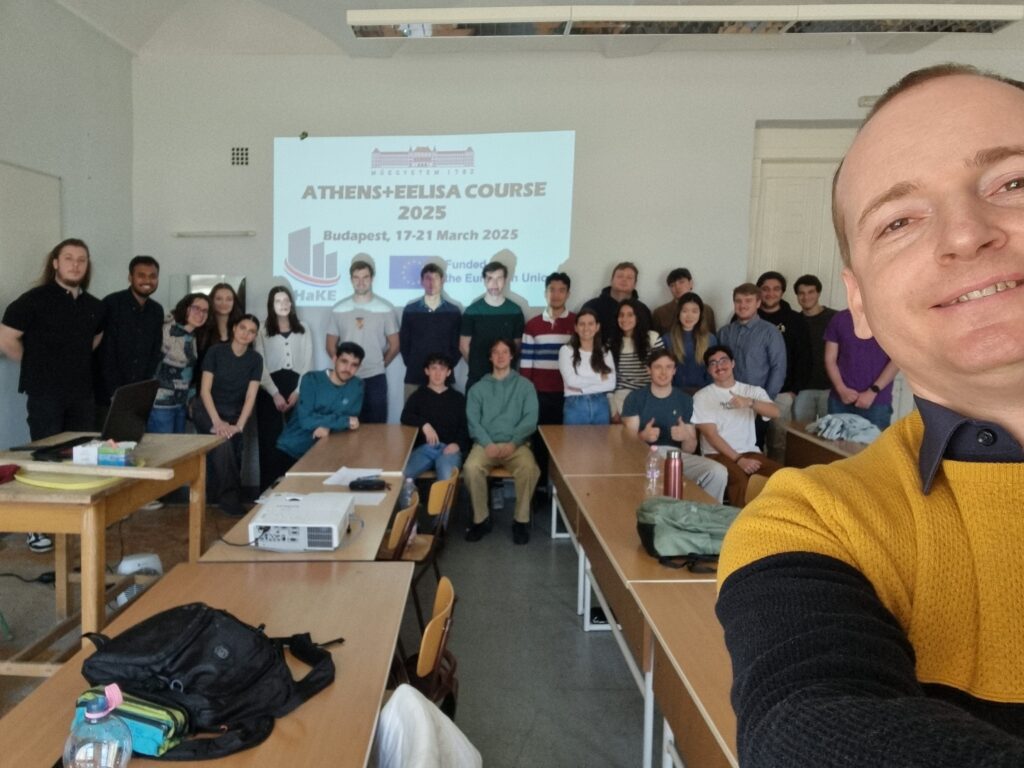
From 17 to 21 March 2025, the Budapest University of Technology and Economics (BME) welcomed 24 students from across Europe for the ATHENS+EELISA course: Efficient Energy Supply of Buildings. Hosted by the Faculty of Mechanical Engineering, the week brought together a vibrant international group for a deep dive into sustainable energy solutions and an unforgettable cultural exchange.

A Thoughtfully Curated Experience

Organized by Balázs Bokor and Kende Kocsis (Department of Building Service and Process Engineering) and Szücs Botond (Department of Energy Engineering), the course combined engaging lectures, real-world site visits, and interactive teamwork sessions.

Participants explored key topics such as:

  • Efficient heat and electricity supply in buildings
  • District heating systems
  • Applications of machine learning in energy management
  • Soft skills for interdisciplinary teamwork
Learning Beyond the Classroom

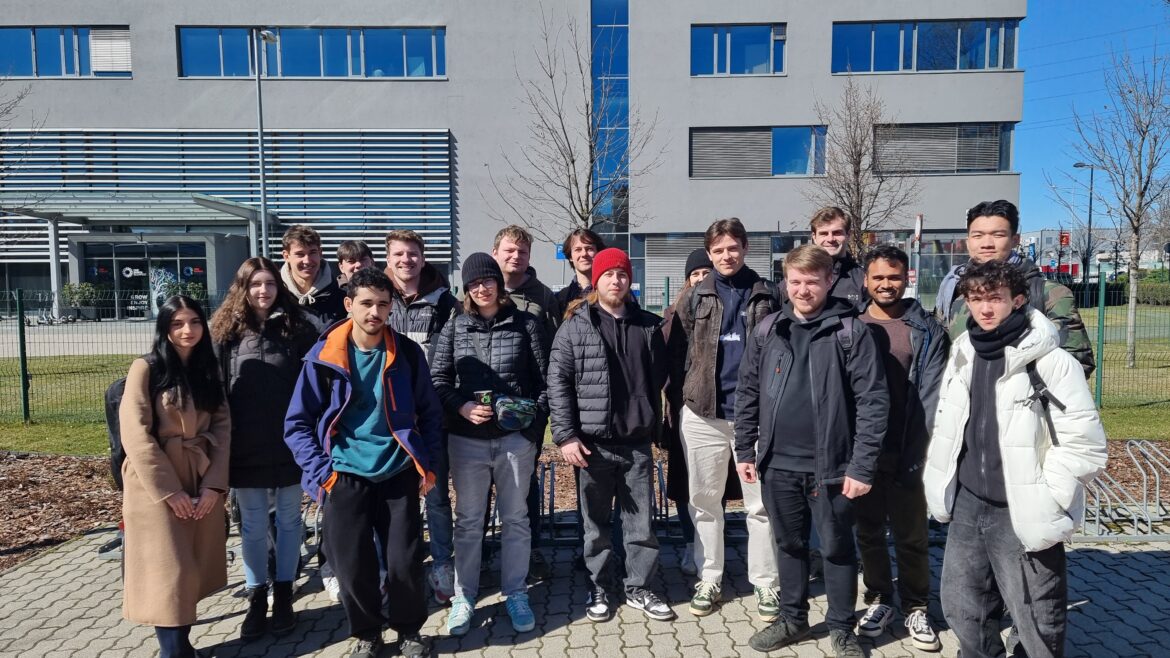
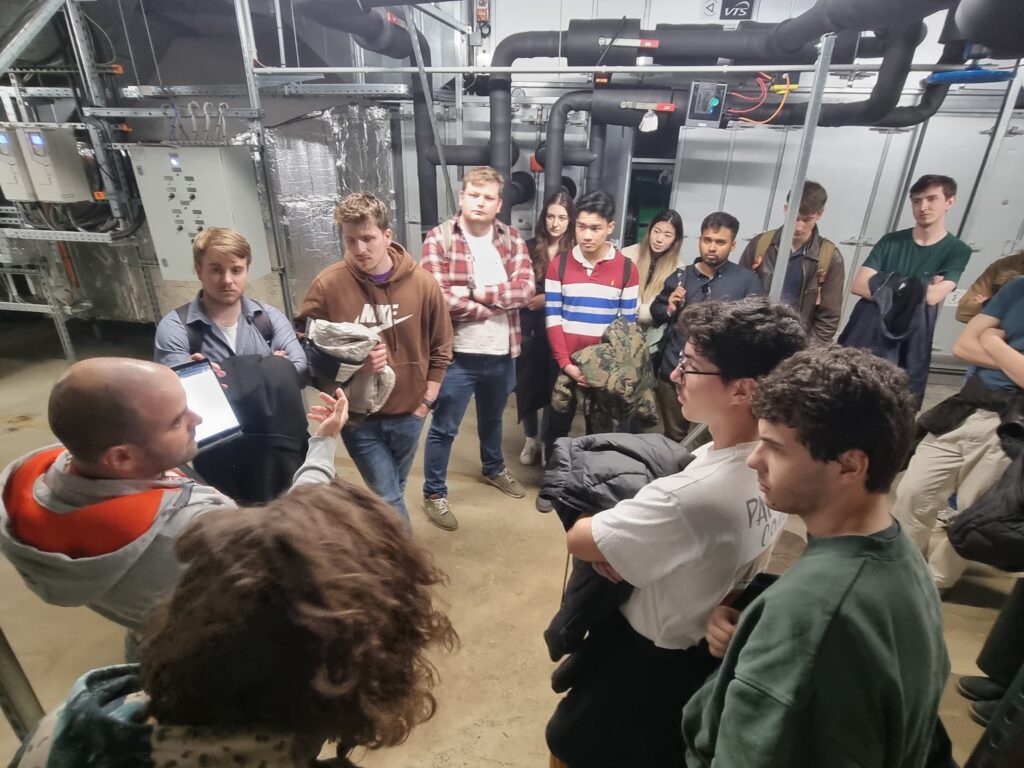
What made this course stand out was the integration of practical experiences with theoretical learning. Students visited Westend City Centre, where they observed large-scale HVAC systems in operation, and BOSCH Thermotechnics, gaining insight into real-world heat pump applications. Team projects encouraged collaboration across cultures, making learning dynamic and inclusive.

A Positive, Interactive Atmosphere

Beyond academics, the week fostered strong community spirit. Social activities, cultural outings, and group work created a friendly and supportive environment where participants could grow not only as engineers but also as global citizens.

The March 2025 edition of the ATHENS+EELISA course reaffirmed the value of combining technical education with hands-on experience and international dialogue. We’re proud to have hosted such a motivated and diverse group of students and look forward to welcoming the next cohort!

International Students Gather in Budapest for an Inspiring Study Week on Energy Efficiency

1024 768 Eva Szalma

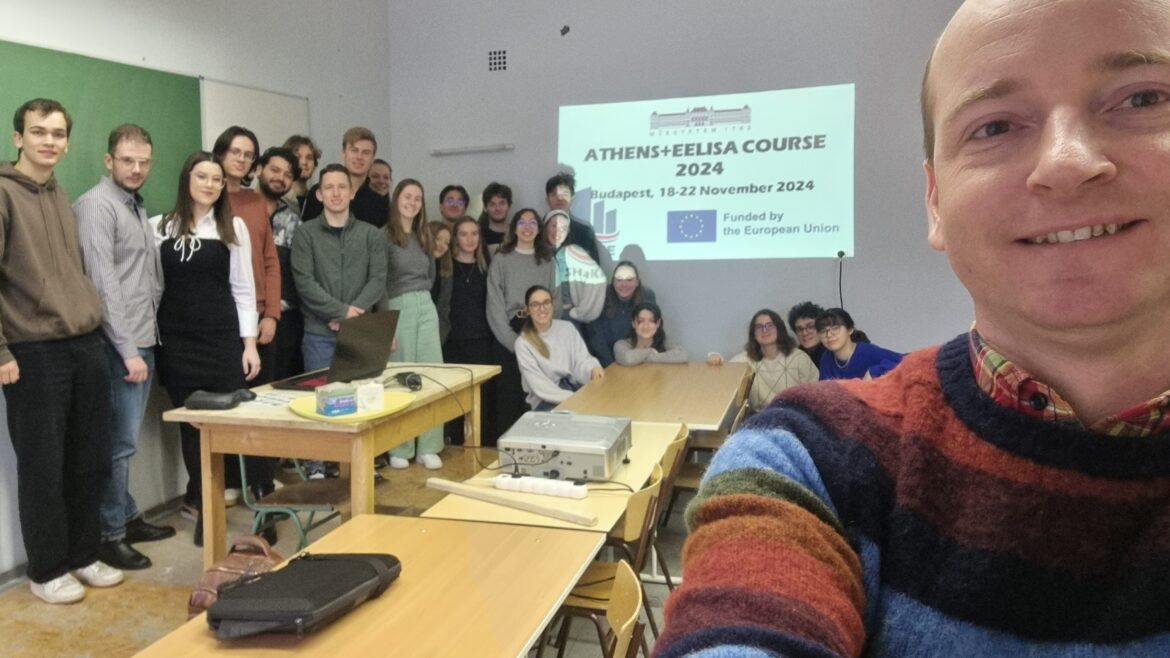
From November 18–22, 2024, the Budapest University of Technology and Economics (BME) hosted an enriching and multifaceted study week as part of the ATHENS+EELISA course titled Efficient Energy Supply of Buildings. Welcoming students from across Europe, the event offered an intensive academic and cultural experience centered around the challenges and innovations of sustainable energy systems.

Throughout the week, participants engaged in a mix of expert-led lectures, hands-on teamwork, site visits, and cultural activities. Highlights of the academic program included insightful lectures by Professors Balázs and Botond, whose engaging teaching styles and practical examples left a strong impression. A teamwork project woven into the schedule allowed students to apply their newly acquired knowledge in a collaborative and creative setting—an experience many found especially valuable and fun.

The course was carefully designed to connect theory with real-world applications. One standout activity was the visit to the Westend Shopping Mall, where students examined practical implementations of heating and energy systems in a commercial setting. This provided tangible context to complement the academic content.

Many students left with more than just academic insights—they formed friendships, expanded their cultural horizons, and gained inspiration for their future careers and thesis work. What made this study week special was its ability to blend academic depth with cross-cultural exchange. Whether exploring the thermal dynamics of buildings, discussing energy challenges with international peers, or simply discovering the charm of Budapest, students experienced a dynamic and inspiring learning environment.

This course was organized in the framework of ATHENS Week and supported by the EELISA alliance and the SHaKE (Sharing Heat and Knowledge on Energy Communities) project, fostering collaboration and innovation in higher education across Europe.